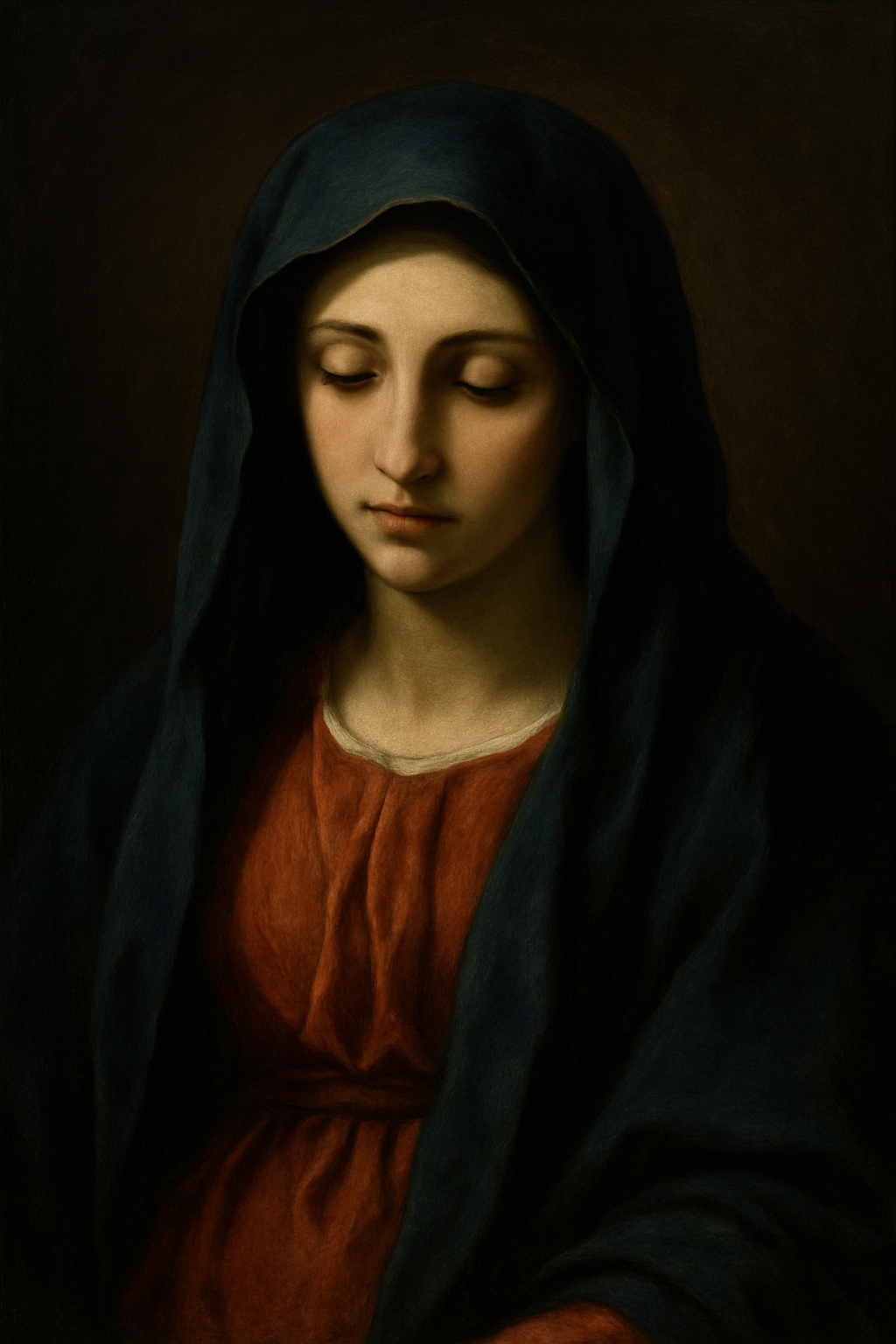
The Purification of the Blessed Virgin Mary, traditionally known as Candlemas, is a significant feast in the Catholic liturgical calendar. Celebrated annually on February 2nd, 40 days after Christmas, it commemorates three pivotal events from the life of Jesus and Mary: the presentation of Jesus in the Temple, Mary’s ritual purification according to Mosaic Law, and the prophetic encounter with Simeon and Anna. More than just a historical remembrance, Candlemas is a vibrant celebration of light, purity, and consecration to God. This article explores the biblical foundations, historical development, and rich spiritual symbolism of this cherished Catholic tradition.
The core of Candlemas originates in the Gospel of Luke (Luke 2:22-40). According to Mosaic Law (Leviticus 12), a woman who had given birth to a male child was considered ritually unclean for 40 days and then had to present herself for purification at the Temple. Additionally, the firstborn male child was to be consecrated to the Lord (Exodus 13:2, 13:12-15). Thus, Mary and Joseph brought the infant Jesus to the Temple in Jerusalem.
There, they encountered two elderly prophets, Simeon and Anna. Simeon, guided by the Holy Spirit, recognized Jesus as the Messiah, proclaiming Him to be “a light for revelation to the Gentiles, and the glory of your people Israel.” Anna, a prophetess, also gave thanks to God and spoke about the child to all who were awaiting the redemption of Jerusalem. This scriptural account forms the bedrock of the feast.
The observance of this feast dates back to the 4th century in Jerusalem, where it was known as the “Presentation of the Lord.” Processions with candles were already a customary part of the celebration. By the 7th century, the feast was widely celebrated in Rome, where it gained the name “Purification of the Blessed Virgin Mary” due to its emphasis on Mary’s ritual purification. The popular name Candlemas arose from the prominent role of candles in the liturgy.
The ritual blessing of candles and the candlelight procession became central features, symbolizing Christ as the Light of the World, as proclaimed by Simeon. Over centuries, the feast integrated deeply into popular piety, becoming a day for blessing candles used throughout the year for religious services and in homes.
Candlemas carries profound theological significance. The blessed candles symbolize Jesus Christ, who came to dispel the darkness of sin and ignorance. The procession of lights signifies Christ’s entry into the world and His mission to illuminate humanity. While Mary, being conceived without sin (Immaculate Conception), had no need for ritual purification, she humbly submitted to the Law. This act underscores her perfect obedience and humility, offering a powerful example of spiritual humility. Furthermore, the presentation of Jesus in the Temple reminds us of the importance of dedicating our lives, our children, and our talents to God. It reflects a total consecration to divine will. The encounter with Simeon and Anna also highlights the continuity of salvation history, showing how the Old Testament prophecies find their fulfillment in Christ. Simeon’s prophecy also foreshadows Mary’s suffering: “a sword will pierce your own soul too.”
The traditional celebration of Candlemas in Catholic churches typically includes a Blessing of Candles. Priests bless candles, often made of beeswax, for use in liturgical services throughout the year and by the faithful in their homes. These candles serve as a sacramental, reminding believers of Christ’s presence. Following the blessing, a candlelight procession usually takes place, with the clergy and faithful carrying lit candles, symbolizing Christ entering Jerusalem and our journey with Him as the light of our lives. The feast culminates in the Holy Mass, during which the Gospel reading of the Presentation is proclaimed, and homilies often reflect on the themes of light, purity, and sacrifice.
Many Catholic homes also keep blessed candles from Candlemas, lighting them during prayer, storms, or at times of special need, as a visible sign of faith and hope in Christ.
The Feast of the Purification of the Blessed Virgin Mary continues to offer vital lessons for Catholics today. It reminds us of the centrality of Christ as the true Light in a world often beset by darkness. Mary’s humble obedience serves as an exemplary model for embracing God’s will in our lives. The act of consecration prompts us to dedicate our gifts and ourselves more fully to God’s service. Furthermore, Candlemas serves as a beautiful reminder that our faith is deeply rooted in historical events and rich liturgical traditions that connect us directly to the earliest days of Christianity. It invites all to carry the light of Christ into their daily lives, shining brightly for others to see.