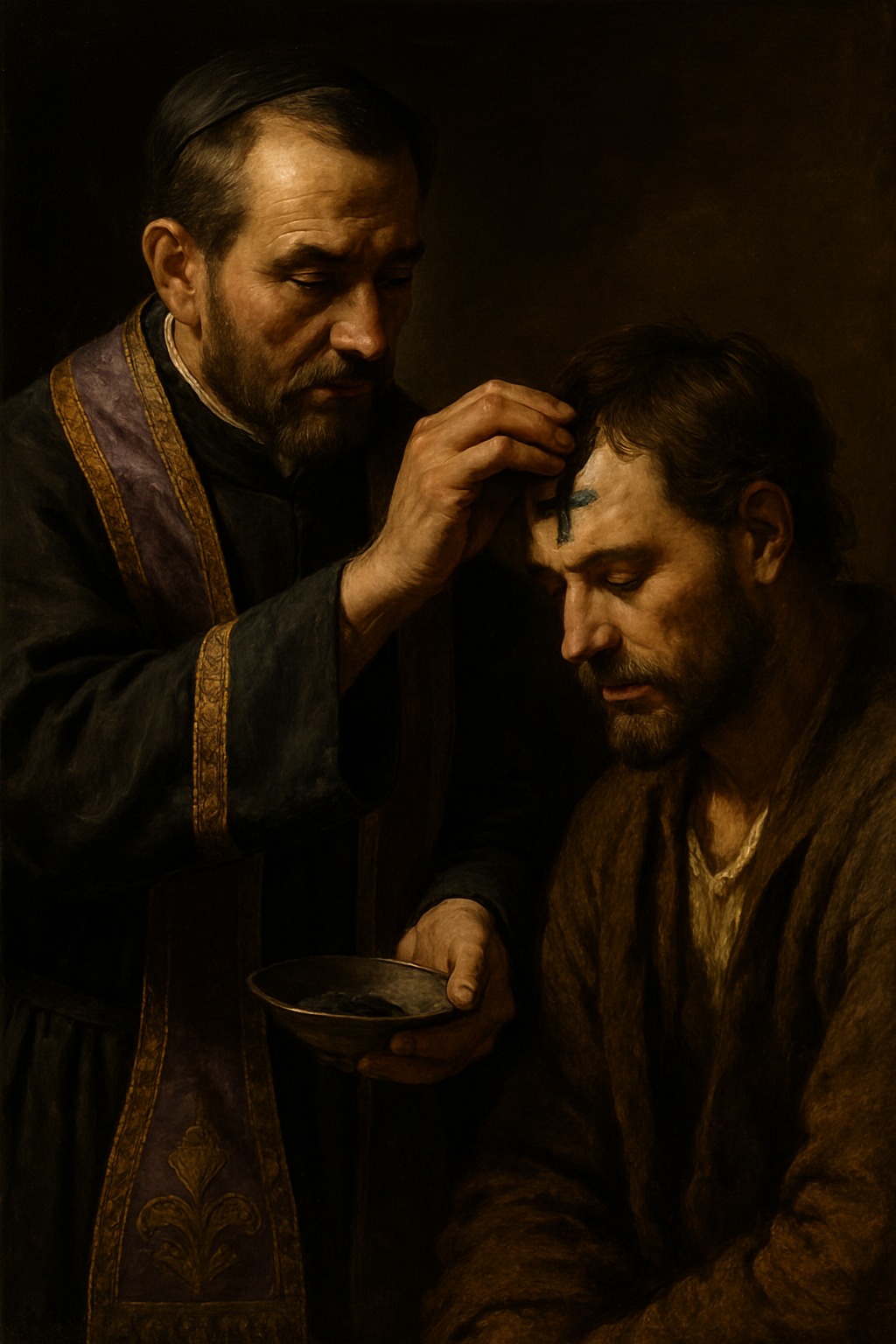
Every year, millions of Catholics and other Christians line up in quiet churches to receive a small cross of ashes on their foreheads. The words are simple—“Remember that you are dust, and to dust you shall return”—yet their impact is timeless.
Ash Wednesday marks the beginning of Lent, a 40-day season of prayer, fasting, and almsgiving that prepares the faithful for Easter, the Resurrection of Christ. For Americans living in a busy, fast-paced world, this ancient practice offers a much-needed invitation to slow down, reflect, and return to God with sincerity.
The use of ashes as a sign of repentance and humility reaches deep into the Old Testament. Job “repented in dust and ashes” (Job 42:6), and the people of Nineveh wore sackcloth and ashes when they turned from sin (Jonah 3:6). Early Christians adopted the same visible sign to express sorrow for sin and the desire for renewal.
The modern observance of Ash Wednesday developed in the early centuries of the Church. By the 8th century, ashes were blessed and distributed at the start of Lent. The Church continues this ancient sign not as an empty ritual but as a public declaration of interior conversion.
🕊️ Transition tip: To understand how the Church views repentance, read more on the Catechism of the Catholic Church – Section on Penance and Conversion
The ashes used on Ash Wednesday come from the blessed palms of the previous year’s Palm Sunday. Burned and mixed with holy water or oil, they remind us of two key truths:
Mortality: “You are dust” recalls the creation of man (Genesis 3:19) and our inevitable return to God.
Repentance: The sign of the cross marks the believer as one who acknowledges sin and seeks God’s mercy through Christ.
In a culture that prizes self-esteem and success, the ashes whisper a countercultural truth: humility is the path to holiness. The gesture invites self-examination—not shame, but honesty before God.
Ash Wednesday is also a day of fasting and abstinence for Catholics. Adults between 18 and 59 are asked to eat only one full meal and two smaller meals (without meat) that do not equal a full meal combined. This discipline reminds us that conversion involves both soul and body.
Fasting opens space for prayer, and prayer deepens love for others—leading naturally to almsgiving. These three pillars form the heart of the Lenten journey toward renewal.
📖 Transition link: Learn more about Lenten regulations in the United States Conference of Catholic Bishops (USCCB).
In the United States, Ash Wednesday draws not only practicing Catholics but also many who have drifted from the faith. The ashes often become a powerful symbol of belonging—a public sign of one’s roots, faith, and need for mercy.
Workplaces, schools, and even social media feeds fill with the distinctive black cross, testifying that faith still finds a place in modern life. For American Catholics, this day bridges ancient tradition and contemporary witness: a moment to wear the Gospel on one’s face.
Though the ashes remind us of death, they are not symbols of despair. They form the sign of the cross, the mark of salvation. Every Ash Wednesday, Catholics begin again, trusting that even our dust can be redeemed.
The ashes say, “Yes, you are mortal—but you belong to the immortal Christ.”
The Lenten path that begins in ashes ends in the empty tomb of Easter—a journey from sorrow to joy, from repentance to resurrection.
🕊️ Suggested next step: Reflect on the meaning of Lent itself through the Church’s ancient rhythm of prayer and penance: Lent – Catholic Church Liturgical Year Overview.
Ash Wednesday isn’t just a ritual or tradition—it’s a reminder of where we came from and where we’re going. It invites Americans, regardless of pace or profession, to stop and consider what truly endures.
The ashes fade within hours, but the grace they signify endures all Lent long: the grace to repent, believe the Gospel, and rediscover the mercy of God who calls us home.