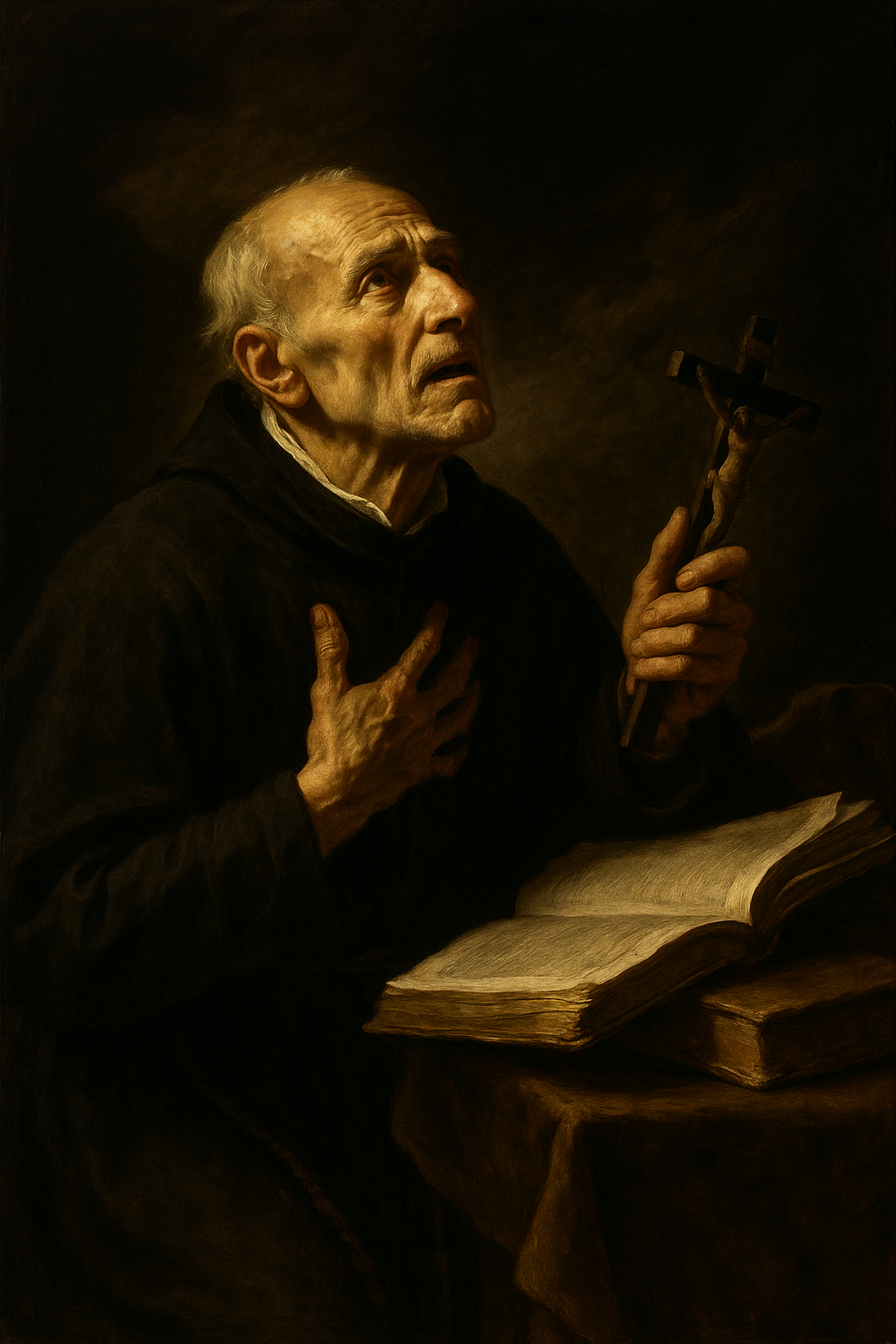
Saint Andrew Avellino, a priest and confessor, remains a powerful example of perseverance, purity, and spiritual renewal. Living in the 16th century, he dedicated his life to the reform of the clergy and the sanctification of souls. His unyielding discipline, deep humility, and burning love for God continue to inspire those who seek holiness in daily life.
Early Life and Vocation
Saint Andrew Avellino was born Lancelotto Avellino in 1521 at Castronuovo, a small town in southern Italy. From a young age, he showed remarkable intelligence and devotion. After studying law in Naples, he began practicing as a lawyer in the ecclesiastical courts. However, a profound spiritual awakening led him to renounce worldly ambition and dedicate himself entirely to the service of God.
Upon ordination, he took the name Andrew in honor of the Apostle, and soon joined the Theatine Order—a community devoted to reforming the clergy through prayer, preaching, and personal example. His humility and fervent piety quickly distinguished him among his brethren.
For more about his early formation, visit Wikipedia – Saint Andrew Avellino.
A Reformer of the Clergy
In an age when moral laxity had weakened the spiritual life of the clergy, Saint Andrew sought to bring renewal through holiness and discipline. He taught that priests must live what they preach and be living examples of purity and prayer. His life mirrored the Theatine motto: “To live as if already in eternity.”
As a confessor and spiritual director, he guided countless souls to conversion and deeper love for God. His words were firm yet compassionate, reminding sinners of divine mercy and urging them to persevere in virtue.
Through his tireless example, he helped restore dignity and devotion to the priesthood during a time of great need.
A Man of Prayer and Penance
Saint Andrew Avellino lived a life marked by prayer, fasting, and penance. He often spent entire nights in contemplation before the Blessed Sacrament, seeking strength and grace for himself and for the souls he served.
He embraced austerity joyfully, understanding that true peace comes from union with Christ Crucified. Even in suffering, he found reason to rejoice, saying, “I will not rest until I rest in heaven.”
His deep devotion to the Blessed Virgin Mary also sustained him. He turned to her as a mother and intercessor, finding in her purity a perfect model for his own vocation.
Trials and Perseverance
Saint Andrew faced many trials, including misunderstandings, temptations, and physical ailments. Yet he persevered with heroic faith. His humility led him to accept correction and hardship without complaint. He often reminded others that perseverance in virtue is the surest sign of love for God.
Even when suffering from illness, he continued to preach and administer the sacraments, encouraging others to live with purity and zeal. His life became a visible testament to the strength of divine grace in weak human vessels.
For further reflection on his example of perseverance, visit Catholic.org – St. Andrew Avellino.
Holy Death and Canonization
On November 10, 1608, while preparing to offer the Holy Sacrifice of the Mass, Saint Andrew was struck by apoplexy at the foot of the altar. His final words were a humble plea for mercy: “I will go unto the altar of God.” He died in the very act of serving Christ, his life ending as it had been lived—in total dedication to God’s glory.
Pope Clement XI canonized him in 1712, recognizing his heroic virtues and his role in the renewal of the Church. Today, he is venerated as the patron saint against sudden death and a model for priests and confessors.
Legacy of Holiness
Saint Andrew Avellino’s legacy continues to speak to priests, religious, and laypeople alike. His life reminds the faithful that sanctity is achieved not in comfort, but in perseverance. In a world filled with distractions and compromise, his steadfast devotion stands as a call to spiritual renewal.
His feast day, celebrated on November 10, invites all Catholics to renew their commitment to prayer, purity, and perseverance in grace.
Conclusion
Saint Andrew Avellino, Confessor, teaches that holiness requires daily effort and unwavering faith. His life as a reformer, confessor, and man of penance shows that even amidst weakness, God’s grace can achieve greatness.
“Persevere in grace, for the crown belongs to those who endure.”
May his intercession strengthen all who strive to live in purity and love, serving Christ with humble hearts and unshakable faith.